Africa Safari Guide 2026: When to Go, What It Costs, and Where to Stay
14 Sep 2026
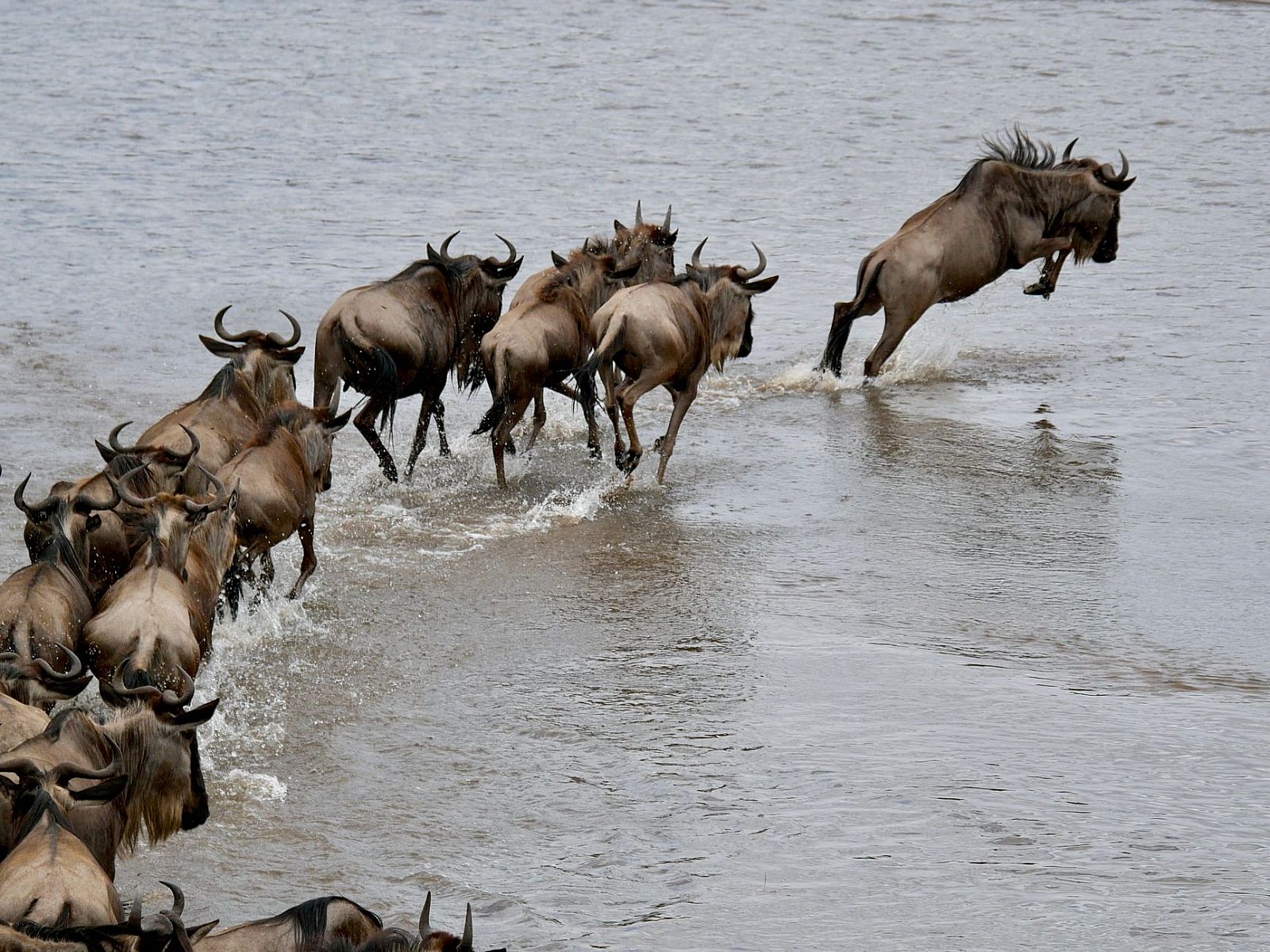
A safari in Africa remains, for many travellers, the experience that justifies everything else — the moment the savanna stops being a documentary concept and becomes a real place, with dust, heat and animals fifty metres from the jeep. But it's also a trip where the practical details — when to go, what it costs, where to sleep — change drastically from country to country, and where the information available online is often contradictory.
When to go
There is no single "right season" for the whole of Southern and Eastern Africa — it depends on what you want to see. If the goal is the Great Wildebeest Migration, the right timing depends on the month and the exact part of the Serengeti or Masai Mara the herds are in at that moment, which shifts year to year. For most parks in Tanzania and Kenya, the dry season (June to October) offers the best visibility, with animals concentrated around permanent water sources. In Namibia and Botswana, the pattern partly reverses: the Okavango floods precisely during the dry season, because the water that feeds it fell months earlier in the Angolan highlands.
Choosing the right park
Serengeti (Tanzania), Masai Mara (Kenya), Kruger (South Africa) and the Okavango Delta (Botswana) are the four most sought-after destinations, and each has a distinct character. The Serengeti offers space and scale; the Masai Mara is more compact with a higher density of predators; Kruger is the only one of the four where it's practical to drive yourself without a guide; the Okavango combines land safaris with mokoro trips through the water channels. The comparison most often made — and most often poorly explained online — is between the Serengeti and the Ngorongoro Crater, which sit a few hours apart but work in completely different ways in terms of ecosystem, wildlife density and entrance fees. There's a detailed, sourced comparison between the two worth reading before deciding where to concentrate the days of the itinerary.
What it costs, and why the numbers never quite add up
This is probably the most frustrating part of planning a safari: searching "Serengeti National Park fees" returns different figures depending on the site — $70, $83, $70.80 — with no source explaining why. The answer, usually left out, comes down to VAT: TANAPA (Tanzania's parks authority) publishes its rates VAT-exclusive, while the NCAA (the Ngorongoro authority) publishes VAT-inclusive — and 18% VAT on $70 comes out to exactly $82.60. It's the same base figure, presented two different ways. There's a guide to Tanzania's official park fees that breaks this calculation down line by line, with the official source for each figure — useful above all for budgeting precisely before booking, rather than being caught out at the destination.
Where to stay
Safari accommodation ranges from simple mobile camps to luxury lodges with private pools, and the price reflects that faithfully — there isn't much of a middle ground. It's worth checking directly on each property's own site what's actually included (meals, transfers, activities) before comparing prices, because the difference between "all-inclusive" and "accommodation only" is substantial in this segment. As a reference for how to verify a property rigorously — rooms, exact location, published rate and source — it's worth seeing how, for example, Namiri Plains, in the eastern Serengeti, one of the best-known camps in the open-plains area, is documented.
Before you go
Visas, vaccinations and travel insurance should be confirmed directly with each country's official authorities — requirements change regularly and vary by traveller nationality, so any generic summary has limited shelf life. A well-prepared safari starts, above all, with deciding clearly what you want to see, accepting that wildlife doesn't keep a schedule, and budgeting some margin for the fees that rarely show up in the initially advertised price.